
Dental insights / Restorative dentistry
Chipped Tooth Repair in Paphos: What Happens Next?
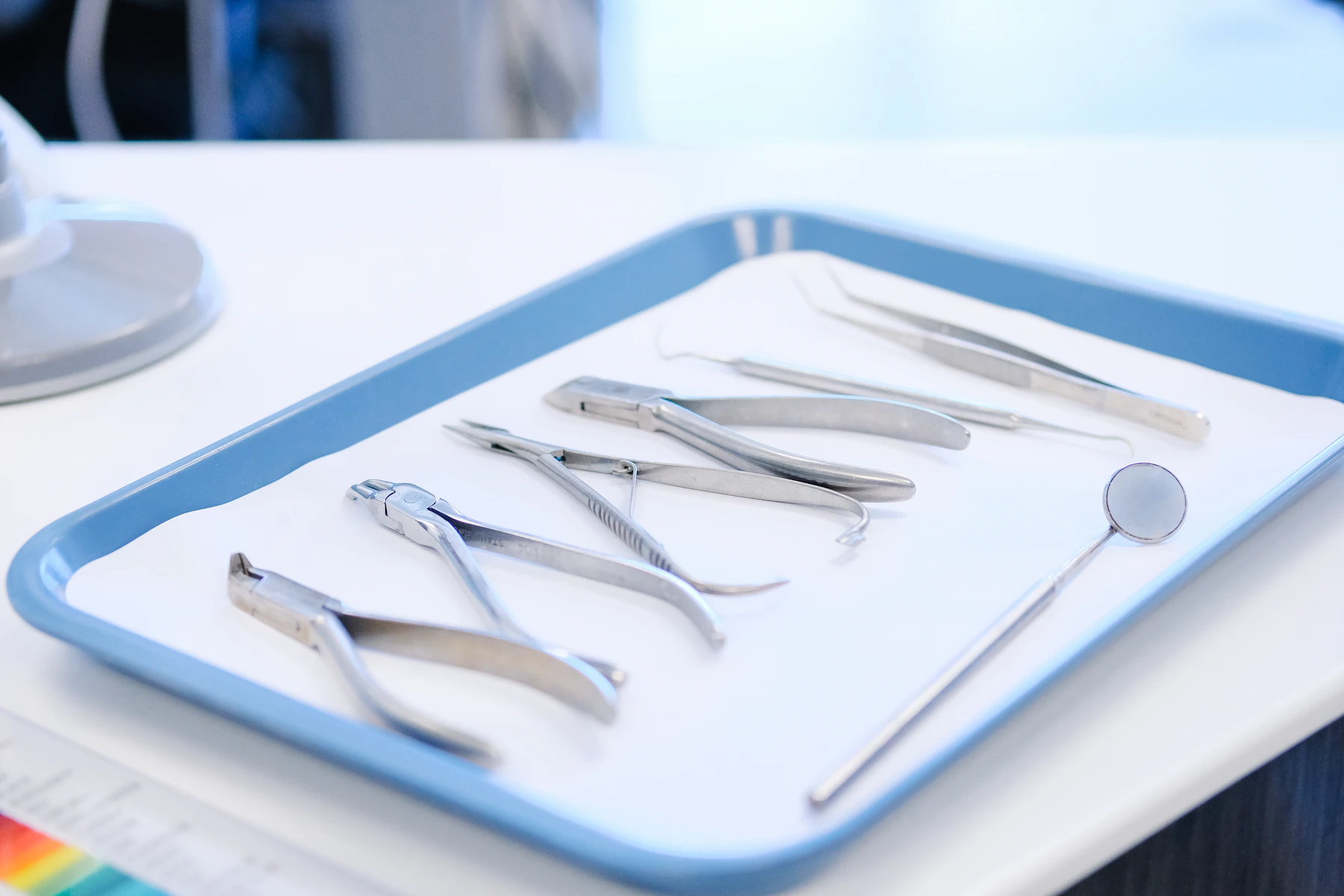
Chipped or cracked a tooth? Learn what to do next, how repair options differ and what to tell Dr Cos when contacting the practice in Paphos.
A chipped tooth should be assessed by a dentist even when it is not painful. Repair depends on how much tooth has broken, where the damage extends and whether the inside of the tooth is affected. A small edge repair and a deeper fracture can need very different plans.
What should you do after a tooth chips?
Contact a dentist and explain what happened. If you find the broken piece, the NHS advises keeping it in milk or saliva in a container and taking it to the dentist. In some cases, it may be possible to reattach it.
When speaking with the practice, mention whether the damage followed a knock, whether there is pain and whether anything feels loose. If the whole tooth has come out, say that clearly: it is a different situation from a small chip and needs urgent dental advice.
How does a chip differ from a crack?
A chip usually means that a piece of tooth has broken away. A crack may extend through the tooth even if no large piece is missing. Pain on biting or sensitivity can be relevant, but not every crack is painful or easy to see.
The Oral Health Foundation's cracked-tooth guide explains that depth and position affect treatment. A crack does not heal like a broken bone. Examination is useful because the visible surface alone may not show its full extent.
Which repair options might be discussed?
- Reattaching a fragment: an option in selected cases when the fragment is available and suitable.
- A tooth-coloured restoration: material can replace appropriate missing portions of a tooth.
- A crown: greater loss of tooth structure may call for wider coverage and protection.
- Root canal treatment: this may be relevant when the nerve-containing tissue inside the tooth has been affected.
Some deep fractures cannot be repaired predictably. The dentist should explain what can be preserved, the alternatives and what remains uncertain after the first assessment. There is no reliable way to select the right restoration from a photograph alone.
Questions to ask about the proposed repair
It helps to separate the immediate concern from the longer-term plan. You might ask: What is the extent of the damage? Is an initial restoration temporary or intended as the final repair? What other options are suitable? Will a review be needed? What are the expected costs and ongoing care?
The practice guides to white fillings, crowns and veneers and root canal treatment introduce these options. They are background reading for the conversation, rather than a recommendation for your tooth.
Does a painless chip still need attention?
Yes. Lack of pain does not describe how far the damage goes. Arrange an assessment rather than waiting for symptoms before asking about the tooth. If the issue is an old restoration breaking rather than natural tooth alone, mention that when you call.
Contacting the practice in Paphos
Call +357 26 250057 during the listed working hours, or use the contact page for an enquiry. Describe the affected tooth, when it broke and any symptoms. Appointment requests require confirmation; the online form does not reserve an urgent treatment slot.
Keep exploring
More from the practice.

Gum Health Before Dental Implants: What Needs Checking?
Considering dental implants in Paphos? Learn why gum assessment, medical history and a maintenance plan matter before implant treatment is considered.
Read the article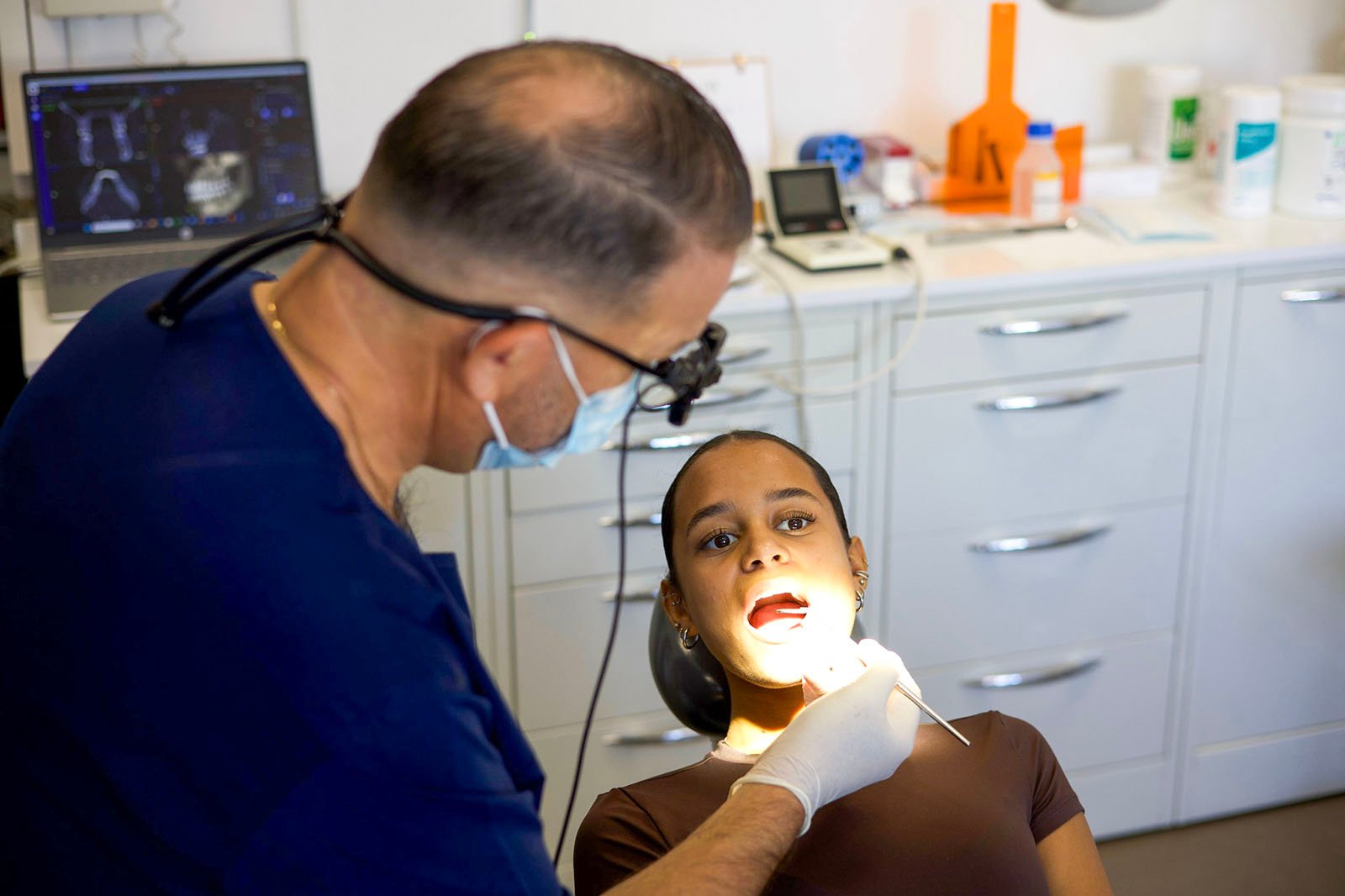
After Root Canal Treatment: Finishing the Restoration and Care Plan
What comes after root canal treatment? Find questions about the final restoration, follow-up and ongoing care to discuss with Dr Cos in Paphos.
Read the article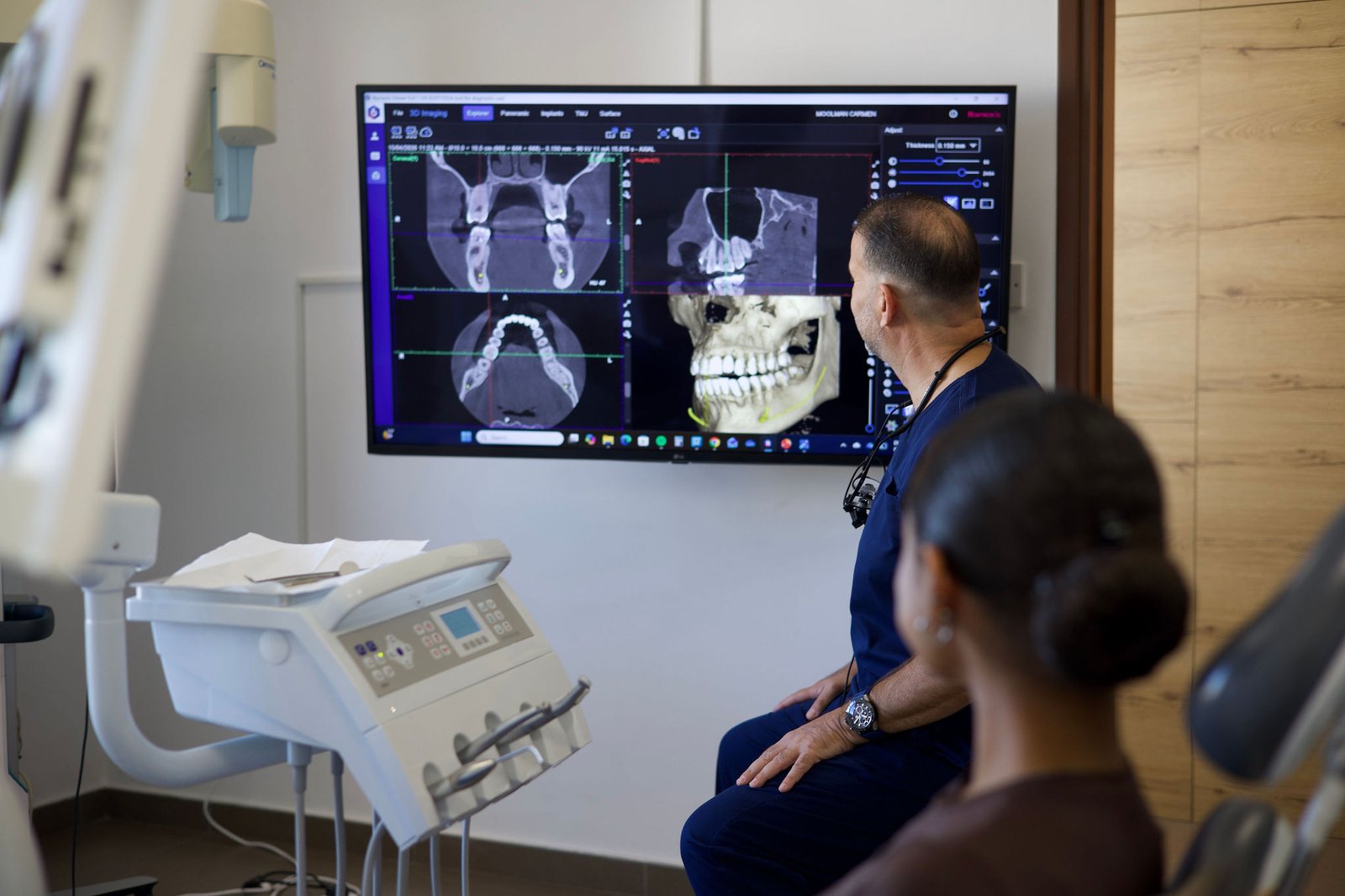
Root Canal Treatment or Extraction? Questions About a Tooth
Understand the questions behind root canal treatment or extraction. Discuss the tooth, restoration, alternatives and follow-up with Dr Cos in Paphos.
Read the article