

Understanding your options
Treating the inside. Preserving the tooth.
The pulp inside a tooth contains nerves and a blood supply. Decay, damage or injury can allow it to become infected. Root canal treatment removes the affected tissue, cleans the canals and seals the tooth.
The tooth also needs a suitable final restoration. Assessment helps establish whether it can be preserved and whether a more complex case needs specialist input.
What to discuss with Dr Cos
- The diagnosis and whether the tooth can be restored.
- The treatment stages, comfort measures and alternatives.
- The final filling or crown and the follow-up plan.
The process
How it works.
Diagnose & plan
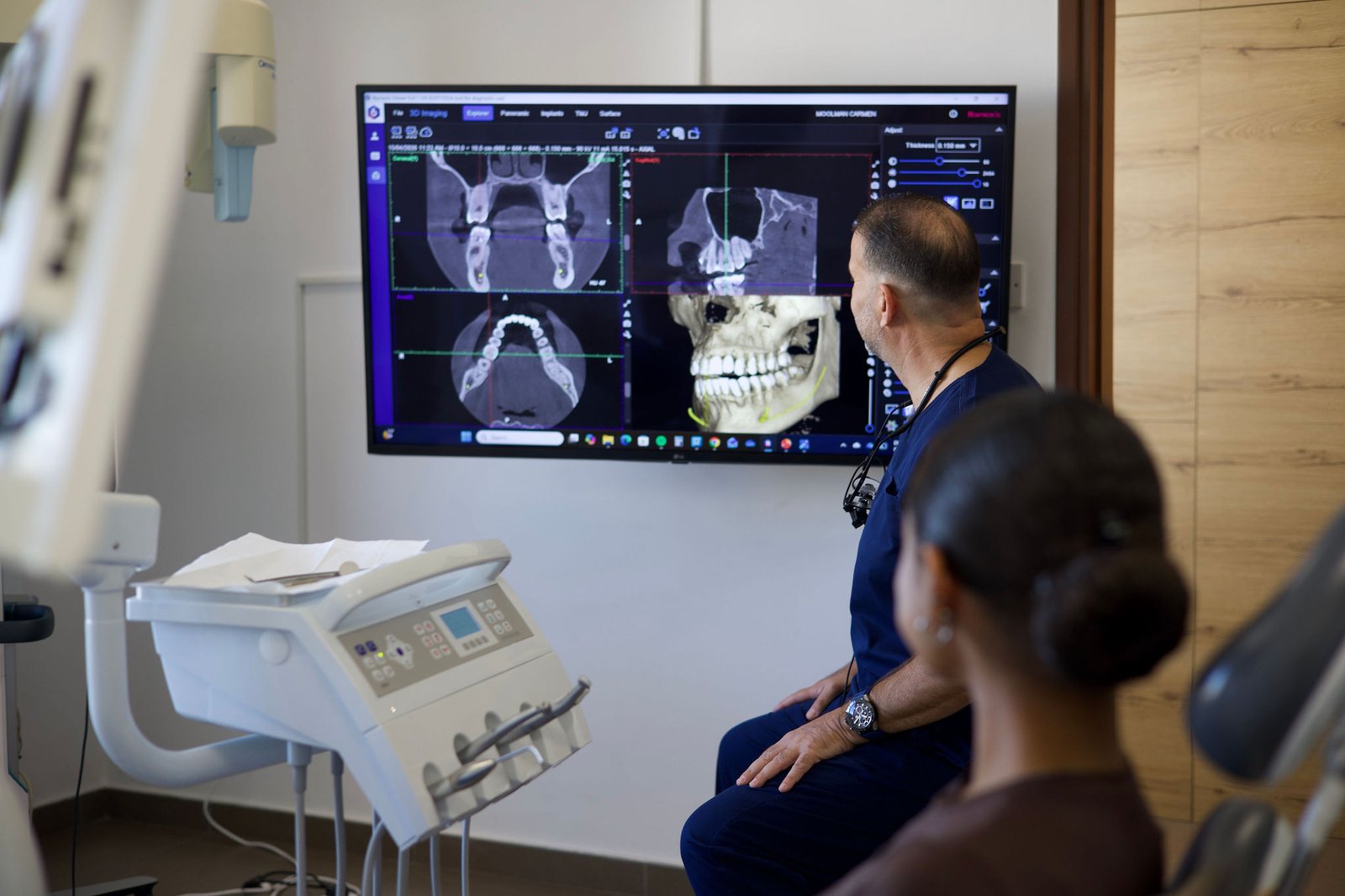
The dentist examines the tooth and uses appropriate tests or imaging to discuss the diagnosis and options with you.
Clean & seal
The affected pulp is removed and the canals are cleaned, shaped and sealed. Treatment may be completed over more than one visit.
Restore & review
A suitable restoration protects the tooth afterwards. Your dentist explains the review plan and whether a crown is appropriate.
Looking ahead
The final restoration matters.
Follow the advice for eating and cleaning after treatment, and attend the planned restoration and review visits. Contact the practice about worsening pain, swelling or a lost temporary filling.
Common questions
A little more clarity.
Is a root canal the same as removing the tooth?
No. The aim is to treat the inside while keeping the tooth. Extraction may be discussed when preservation is not appropriate.
Will I need a crown afterwards?
Sometimes. The remaining tooth structure and the forces on the tooth help determine the final restoration.
How is discomfort managed?
Local anaesthetic is commonly used during treatment. Discuss any anxiety and ask what recovery symptoms should prompt a call.