
Dental insights / Restorative dentistry
Gum Health Before Dental Implants: What Needs Checking?

Considering dental implants in Paphos? Learn why gum assessment, medical history and a maintenance plan matter before implant treatment is considered.
Gum health is part of planning dental implants, not something to consider only after placement. Active gum disease needs treatment and stabilisation before implant therapy. If you have had periodontitis, mention it at the first consultation so the assessment, risks and long-term maintenance can be discussed properly.
Why assess the gums before discussing an implant?
An implant replaces a missing tooth root, but the health of the mouth around it still matters. The European Federation of Periodontology explains that active periodontitis increases the risk of infection and complications around implants. Previous gum problems should therefore be included in the planning conversation.
Replacing a missing tooth is not the same as removing the need for preventive care. Ask what must be addressed before treatment and what care would be expected afterwards.
What does a gum assessment involve?
A dentist considers symptoms and examines the gums and supporting tissues. The US National Institute of Dental and Craniofacial Research describes examination for inflammation and measurements of the spaces around teeth. X-rays may be used when indicated to assess supporting bone.
Bleeding, recession, loose teeth or a history of periodontal treatment are relevant details. Smoking, diabetes and medicines also belong in the medical history. The assessment may identify issues that are not obvious from looking at the gap left by a missing tooth.
Does past gum disease rule implants out?
There is no useful universal answer without an examination. Active disease needs addressing, and a history of periodontitis can affect risk. Ask the dentist how your current stability, remaining teeth, bone and ability to maintain the area influence the options.
Do not assume that a previous diagnosis automatically settles the decision either way. Bring records of earlier periodontal treatment if you have them. A coordinated assessment may be needed before a final recommendation or referral.
What else needs planning?
The Oral Health Foundation's implant guide describes checking suitability, bone support and the stages of treatment. Request a written explanation of the proposed steps, alternatives, costs and ongoing care. Healing and treatment timing vary with the clinical situation.
Useful questions include: Is the mouth ready for implant planning? Is treatment needed first? What risks are especially relevant to me? Who would provide each stage? How would the final restoration be cleaned and reviewed?
Think about maintenance before choosing treatment
Discuss how ongoing care would fit your routine. If you live abroad for part of the year, explain the dates and where you normally receive dental care. Ask what happens if a review or repair is needed while you are away. These practical details belong in the decision alongside the initial procedure.
For a broader comparison, read implants or a bridge for a missing tooth. For care after placement, see implant maintenance. Those guides address different stages of the same discussion.
Discuss dental implants in Paphos
The dental implant service guide introduces the consultation. Contact Dr Cos Dentistry to explain your missing-tooth concern and any history of gum treatment, in English or Greek. Information here cannot determine whether implants are suitable for you or promise a particular result.
Keep exploring
More from the practice.
Chipped Tooth Repair in Paphos: What Happens Next?
Chipped or cracked a tooth? Learn what to do next, how repair options differ and what to tell Dr Cos when contacting the practice in Paphos.
Read the article
After Root Canal Treatment: Finishing the Restoration and Care Plan
What comes after root canal treatment? Find questions about the final restoration, follow-up and ongoing care to discuss with Dr Cos in Paphos.
Read the article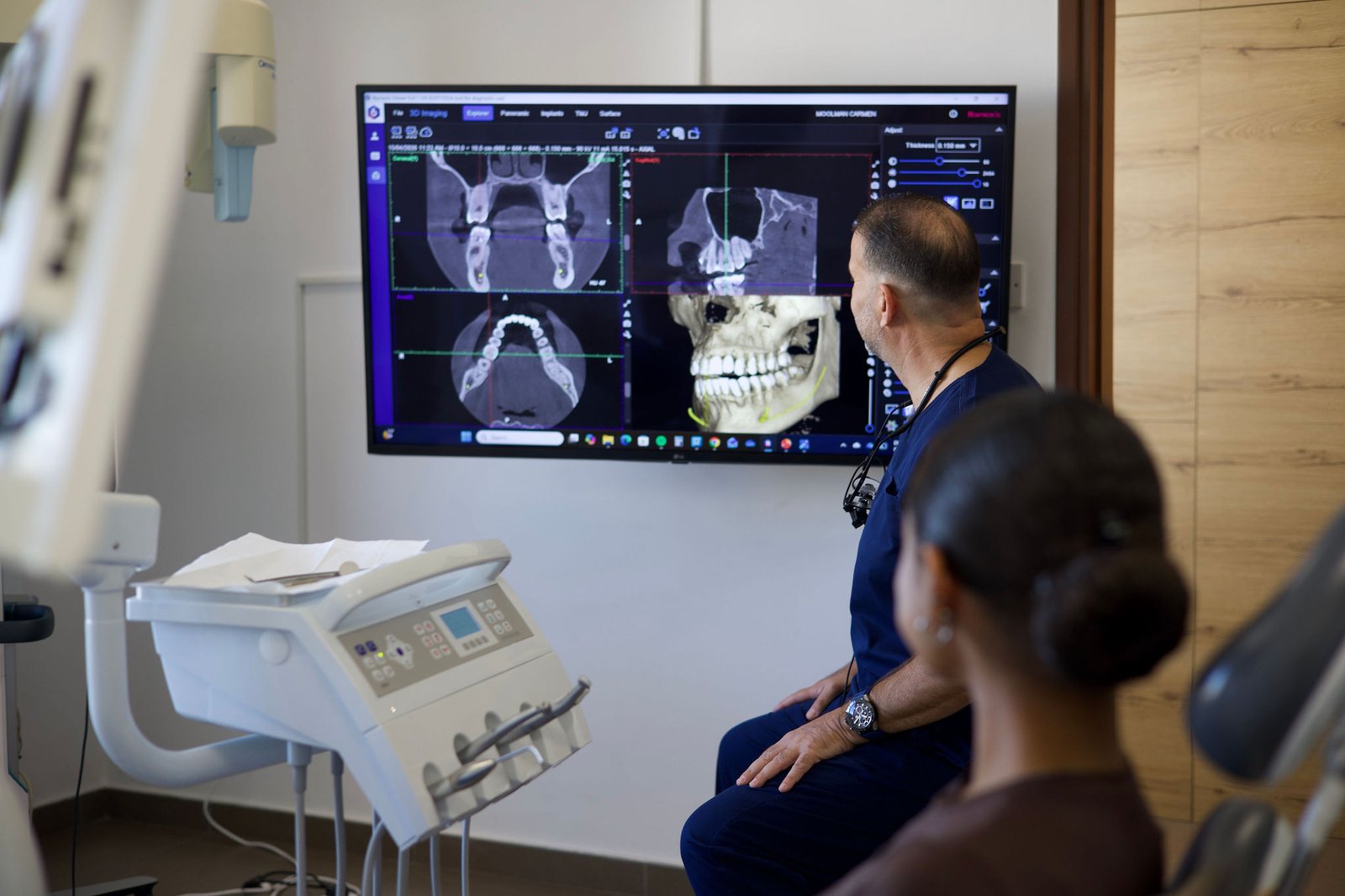
Root Canal Treatment or Extraction? Questions About a Tooth
Understand the questions behind root canal treatment or extraction. Discuss the tooth, restoration, alternatives and follow-up with Dr Cos in Paphos.
Read the article