
Dental insights / Oral health
Teeth Grinding and Clenching: Signs Worth Discussing
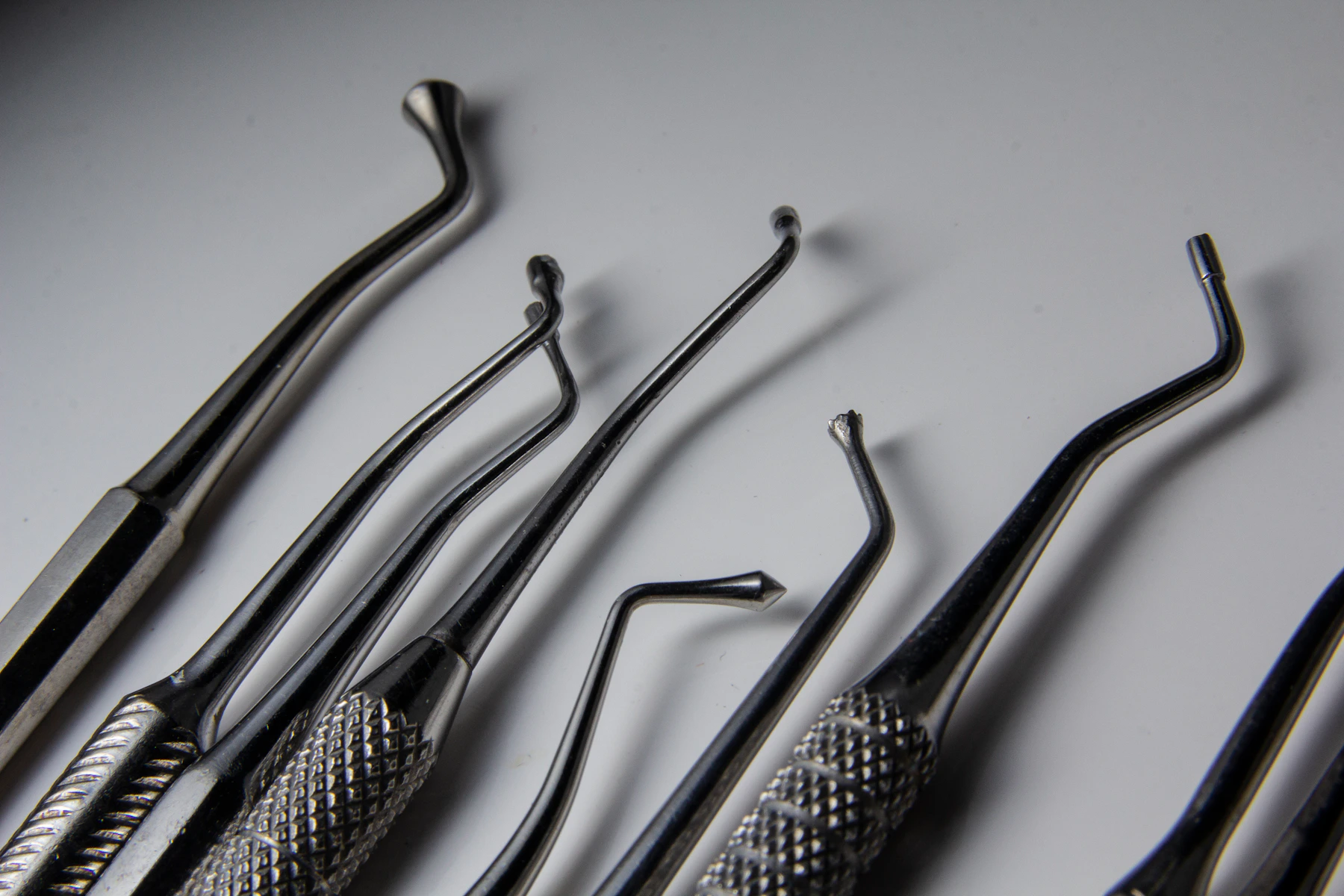
Worn teeth, morning jaw discomfort or clenching? Learn about bruxism, what to notice and the questions to discuss with a dentist in Paphos.
Teeth grinding and jaw clenching, also called bruxism, can happen while awake or asleep. Some people first notice worn or chipped teeth, sensitivity or tired jaw muscles. These signs are worth discussing with a dentist, but they do not prove a diagnosis on their own.
What signs might you notice?
The National Institute of Dental and Craniofacial Research describes flattened or damaged teeth, discomfort in the jaw muscles, tooth sensitivity and headaches among possible signs. A sleeping partner may notice grinding before you do.
Observe the pattern rather than repeatedly checking your bite. Note whether discomfort is worse on waking or later in the day, whether you catch yourself clenching and whether a tooth or restoration has changed.
Why is assessment useful?
A dentist can examine teeth and restorations for wear or damage and ask about jaw symptoms, timing and medical history. Different causes of discomfort can overlap, so a headache or sore jaw should not automatically be attributed to grinding.
If you have a broken tooth, say so when contacting the practice. If your concern is broader than the teeth, ask whether medical assessment is also needed. The aim is to understand the problem before choosing a device or repair.
Are stress and sleep relevant?
The NHS bruxism guide describes associations with stress, anxiety, sleep problems, certain medicines, smoking and alcohol or caffeine use. It is not always clear why an individual grinds their teeth.
Mention snoring, disrupted sleep or a possible medicine-related change when asking for advice. Do not change prescribed medication yourself. A doctor may need to help with a contributing medical or sleep concern.
Does everyone need a night guard?
No. Mild cases may not need treatment. Depending on the findings, a dentist may discuss a mouth guard or splint to protect teeth, alongside other measures. A protective appliance does not establish or remove every possible cause of clenching.
Ask what the proposed appliance is intended to do, how its fit would be checked and when it should be reviewed. If you already have a retainer or another appliance, bring it to the appointment instead of assuming that devices can be combined.
What about worn fillings, crowns or veneers?
Discuss grinding or clenching when considering restorative work. Repairing a damaged surface and understanding the forces that may affect it are related questions. Ask what protection or monitoring would be relevant to the proposed restoration.
The practice's crowns and veneers guide explains different restorative purposes. See repair or replacement of an old filling if an existing restoration is your main concern. Neither page can decide the right treatment without an examination.
Preparing for a visit with Dr Cos
- Write down when you notice symptoms and how long they have been present.
- Mention visible chips, sensitivity or a change in how teeth meet.
- Bring existing retainers, guards and your current medicines list.
- Ask what needs monitoring and what changes should prompt another appointment.
Contact the Paphos practice to discuss your concern in English or Greek. This article offers general information about bruxism; it does not diagnose jaw pain or confirm that a particular appliance is suitable.
Keep exploring
More from the practice.
Interdental Brushes or Floss: Which Should You Use?
Compare interdental brushes and dental floss, learn why size and technique matter, and find questions to ask at your dental visit in Paphos.
Read the article
Persistent Bad Breath: When Is a Dental Check Useful?
Persistent bad breath can have dental and other causes. Learn what to check in your routine and when to discuss it with Dr Cos Dentistry in Paphos.
Read the article
Dry Mouth: Why It Matters for Your Teeth and Gums
Explore causes of dry mouth, ways to ease discomfort and why ongoing dryness deserves dental and medical advice. A practical guide for patients in Paphos.
Read the article