
Dental insights / Oral health
Persistent Bad Breath: When Is a Dental Check Useful?
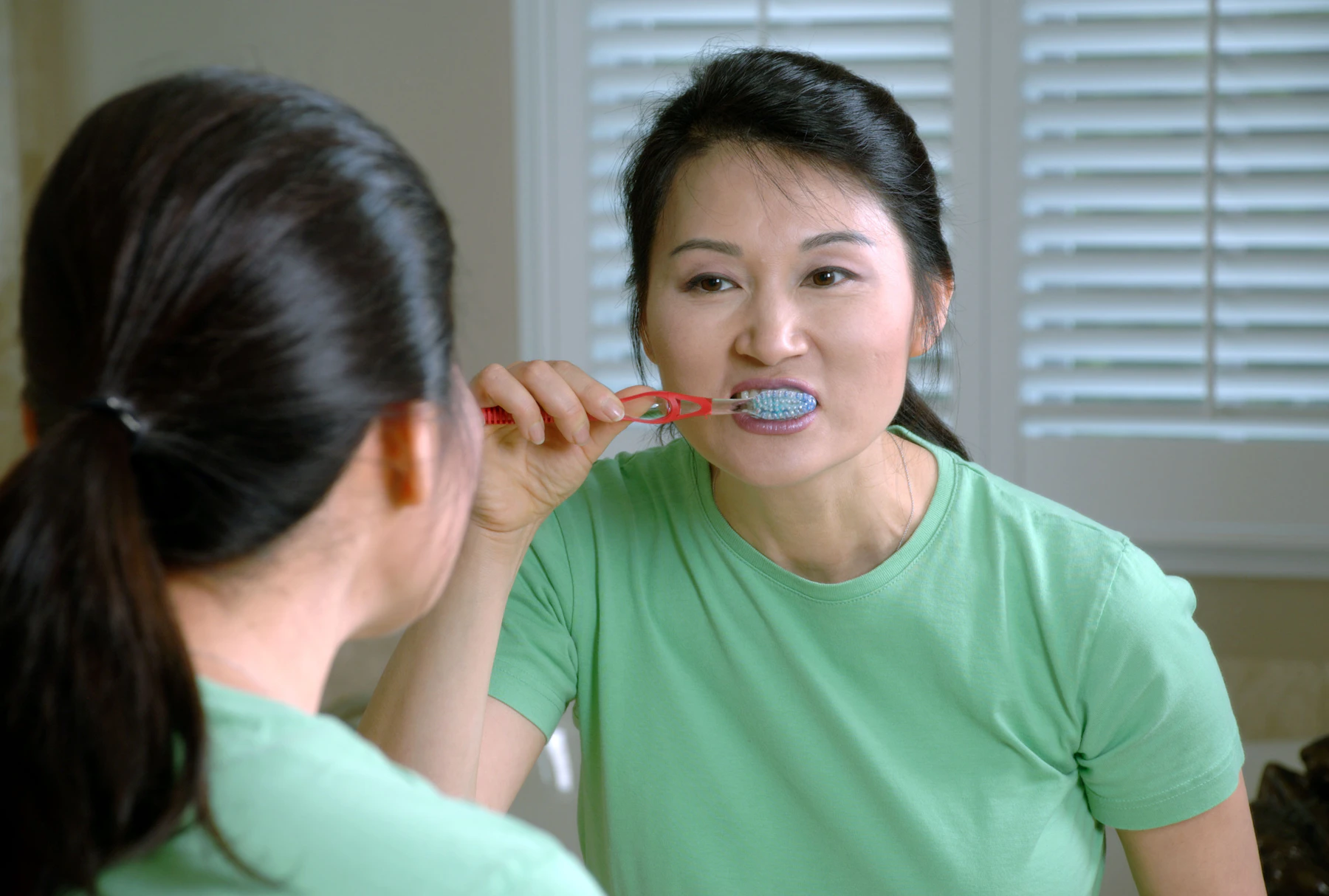
Persistent bad breath can have dental and other causes. Learn what to check in your routine and when to discuss it with Dr Cos Dentistry in Paphos.
Bad breath that keeps returning can be a reason to check the teeth, gums and daily cleaning routine. Food, smoking, a dry mouth and medical problems can also play a part. A dental assessment is useful when the problem persists rather than repeatedly covering the smell with mints or mouthwash.
What can cause persistent bad breath?
Bacteria and trapped debris around teeth, gums and the tongue can contribute. The Oral Health Foundation's bad breath guide also describes links with gum disease, decay, dry mouth and some problems outside the mouth. A smell or unpleasant taste does not identify the cause by itself.
Notice whether it follows a particular meal or is present despite a consistent cleaning routine. Be ready to mention changes in taste, mouth dryness, bleeding gums, discomfort or problems with a denture or restoration.
What can you check in your daily routine?
Brush twice a day with fluoride toothpaste, clean between teeth daily and gently clean the tongue. If you wear dentures, follow advice on cleaning and removing them at night. Avoid brushing so hard that tissues bleed. The NHS guidance on bad breath sets out practical care and when to seek a dentist's advice.
Try to describe your actual routine, including the areas that are hard to reach. A dentist can make the advice more specific if you explain what you use, how often you use it and what gets in the way.
Can a mouthwash solve the problem?
A mouthwash may help freshness, but it does not repair decay or resolve every cause of persistent odour. Ask which product, if any, fits your situation and how it should be used alongside brushing and cleaning between teeth. Increasing the number of products is not always the most useful next step.
When is a dental appointment worthwhile?
Seek dental advice if bad breath remains after a few weeks of self-care, or if you have painful, swollen or bleeding gums, toothache, loose adult teeth or problems with dentures. A dentist can examine the mouth and discuss whether treatment or a change to cleaning is indicated.
If no oral cause is found, medical advice may be appropriate. For example, persistent mouth dryness, reflux or throat symptoms can be relevant. The right next step follows the findings rather than assuming that every case has the same dental cause.
What should you ask at the consultation?
- Are there areas of plaque or calculus I am missing?
- Is there evidence of a problem with the gums, teeth or an existing restoration?
- Could mouth dryness be relevant to my symptoms?
- Which cleaning tools and technique suit the spaces between my teeth?
- What should I do if the problem continues after the agreed care?
These questions turn a concern about freshness into a practical care plan. The guide to interdental brushes and floss explains why the spaces between teeth deserve attention too.
Discussing bad breath with Dr Cos
You can ask about the issue in English or Greek at the Paphos practice. See dental cleaning, what to tell a dentist about bleeding gums and dry mouth and oral health for related reading. Contact the practice to arrange an assessment. This article gives general information and cannot establish an individual cause.
Keep exploring
More from the practice.
Teeth Grinding and Clenching: Signs Worth Discussing
Worn teeth, morning jaw discomfort or clenching? Learn about bruxism, what to notice and the questions to discuss with a dentist in Paphos.
Read the article
Interdental Brushes or Floss: Which Should You Use?
Compare interdental brushes and dental floss, learn why size and technique matter, and find questions to ask at your dental visit in Paphos.
Read the article
Dry Mouth: Why It Matters for Your Teeth and Gums
Explore causes of dry mouth, ways to ease discomfort and why ongoing dryness deserves dental and medical advice. A practical guide for patients in Paphos.
Read the article