
Dental insights / Oral health
Interdental Brushes or Floss: Which Should You Use?
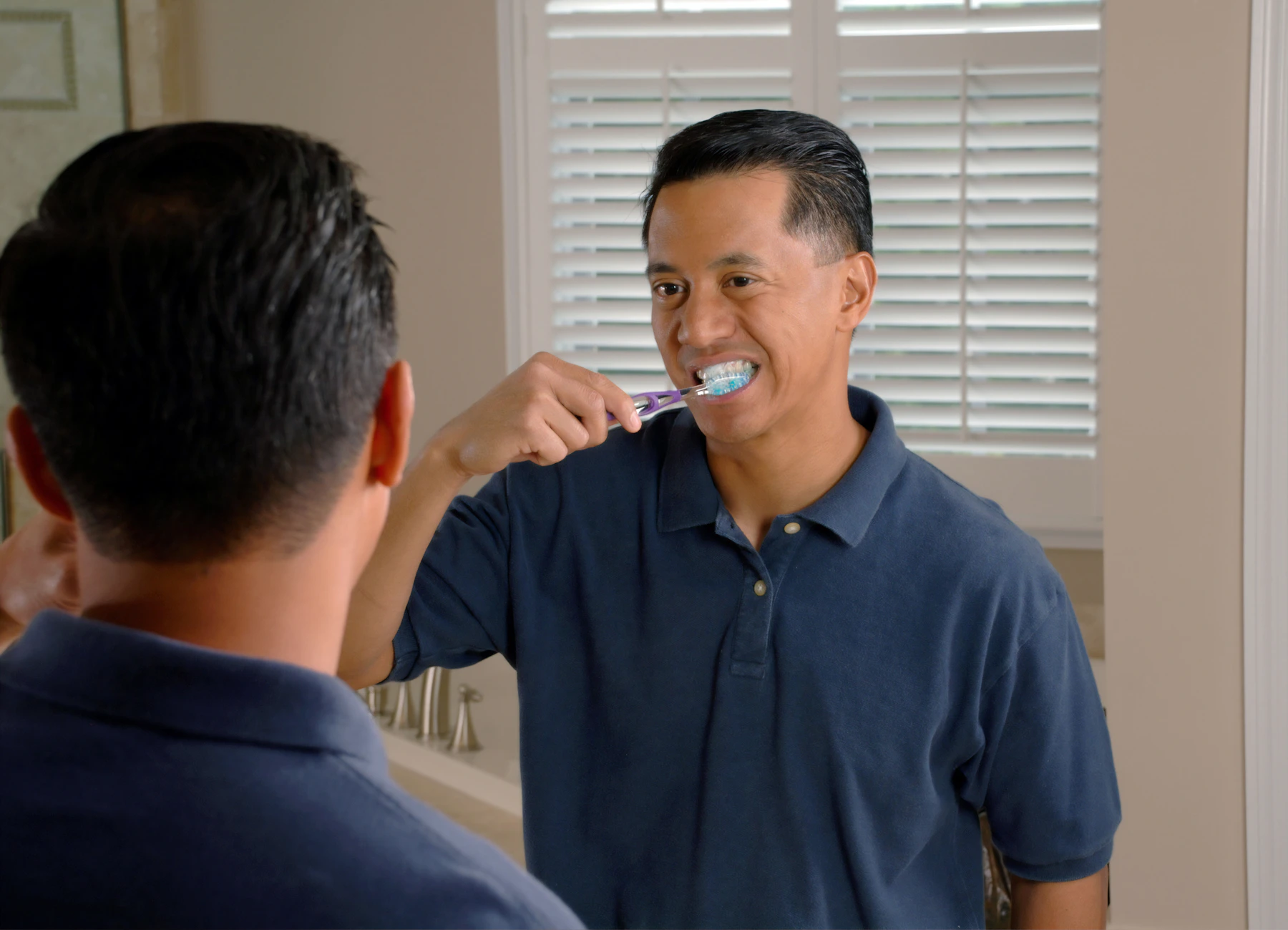
Compare interdental brushes and dental floss, learn why size and technique matter, and find questions to ask at your dental visit in Paphos.
Interdental brushes and floss clean areas between teeth that a toothbrush may not reach well. The useful choice depends on the space, any dental work and what you can use consistently. Some people use brushes in wider gaps and floss in tighter contacts, with advice on size and technique from a dental professional.
What is different about an interdental brush?
An interdental brush is a small brush designed for the spaces between teeth. It can be easier to use where there is enough room. According to the Oral Health Foundation, the size should be chosen for the gap and the brush should be guided gently rather than forced through. Different spaces can need different sizes.
Ask for a demonstration using the areas of your own mouth that are difficult. Packaging and colour alone are not a reliable way to choose a size, particularly when comparing different brands.
When can floss be useful?
Floss can suit tight contacts where a brush does not fit. It should follow the side of each tooth gently rather than snapping into the gum. The NHS guide to keeping teeth clean explains how to curve floss around a tooth and move it along the surface.
If handling floss is awkward, explain the difficulty instead of struggling silently. Dexterity, visibility and access are practical parts of choosing a routine. Ask the dentist which technique or aid is appropriate for the spaces you need to clean.
How does cleaning between teeth fit with brushing?
Make it a daily habit alongside brushing twice a day with fluoride toothpaste. Cleaning between teeth before brushing can be a useful sequence. It should complement brushing rather than replace it.
A simple routine you can repeat is more useful than an ambitious one you rarely complete. Ask for a clear starting point: which areas need a brush, which need floss and how you can tell that your technique is gentle enough.
What if the gums bleed?
Mild bleeding can occur when beginning interdental cleaning, but ongoing bleeding should be discussed with a dental professional. Do not force an oversized brush or use bleeding as a reason to scrub harder. Mention pain, swelling or persistent bleeding at an appointment.
The separate guide to bleeding gums and dental assessment explains what observations to bring to that conversation.
What about implants, bridges and other dental work?
Tell the dentist about each type of restoration and ask how to reach its surfaces safely. An example that works for a natural contact may not answer how to clean around a particular bridge or implant restoration. Request advice specific to its shape and access.
If you already have implants, read implant cleaning, checks and maintenance. The article is background for personalised advice rather than a universal product list.
Questions for your next visit in Paphos
- Which sizes do I need, and where should each be used?
- Can you show me the technique in the area I find difficult?
- Where is floss more suitable than a brush?
- What should I do if a particular area stays sore or bleeds?
Dr Cos can discuss your care in English or Greek. See the dental cleaning guide or contact the practice in Paphos to arrange a visit. This article is general information; the right tools depend on your own mouth.
Keep exploring
More from the practice.
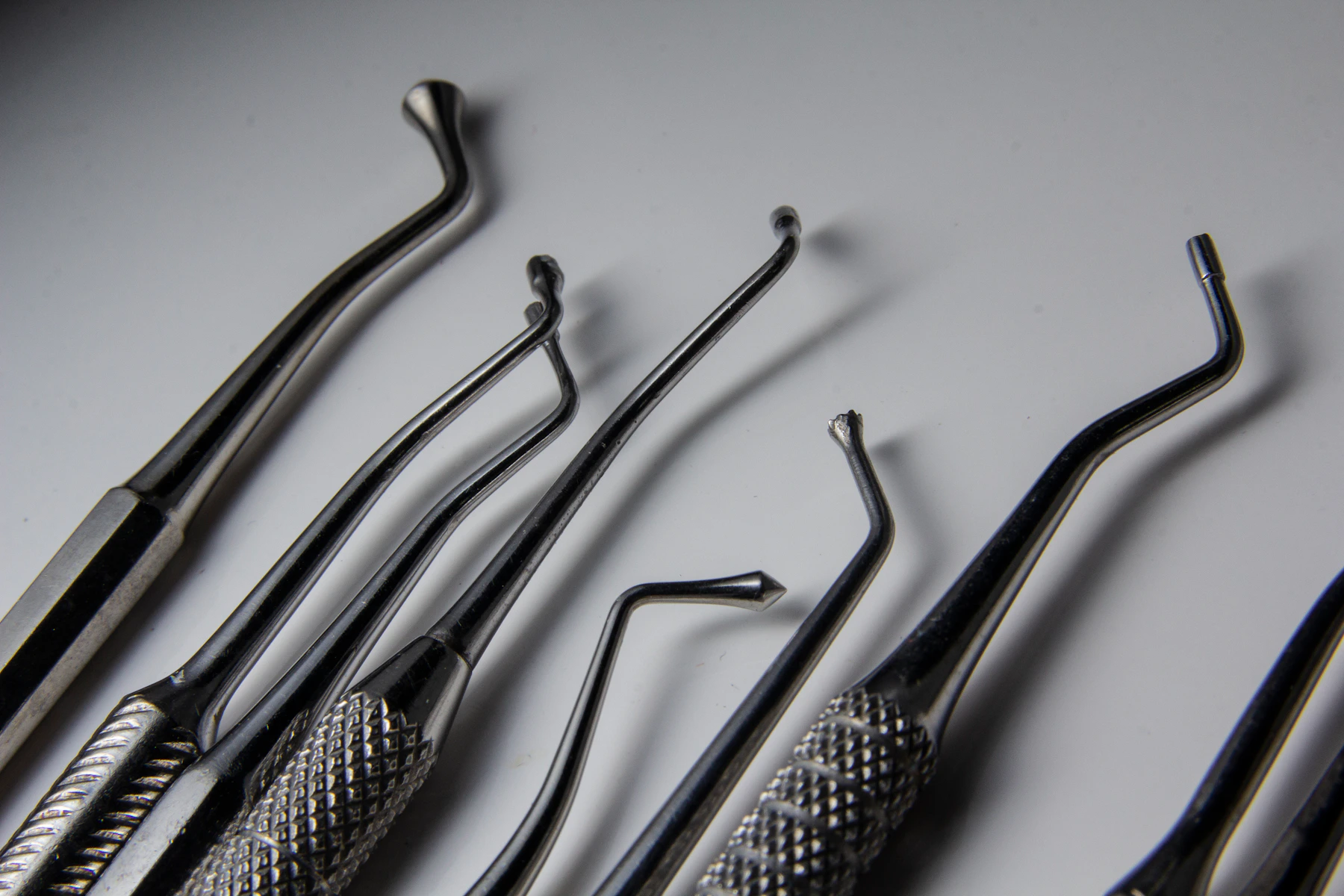
Teeth Grinding and Clenching: Signs Worth Discussing
Worn teeth, morning jaw discomfort or clenching? Learn about bruxism, what to notice and the questions to discuss with a dentist in Paphos.
Read the article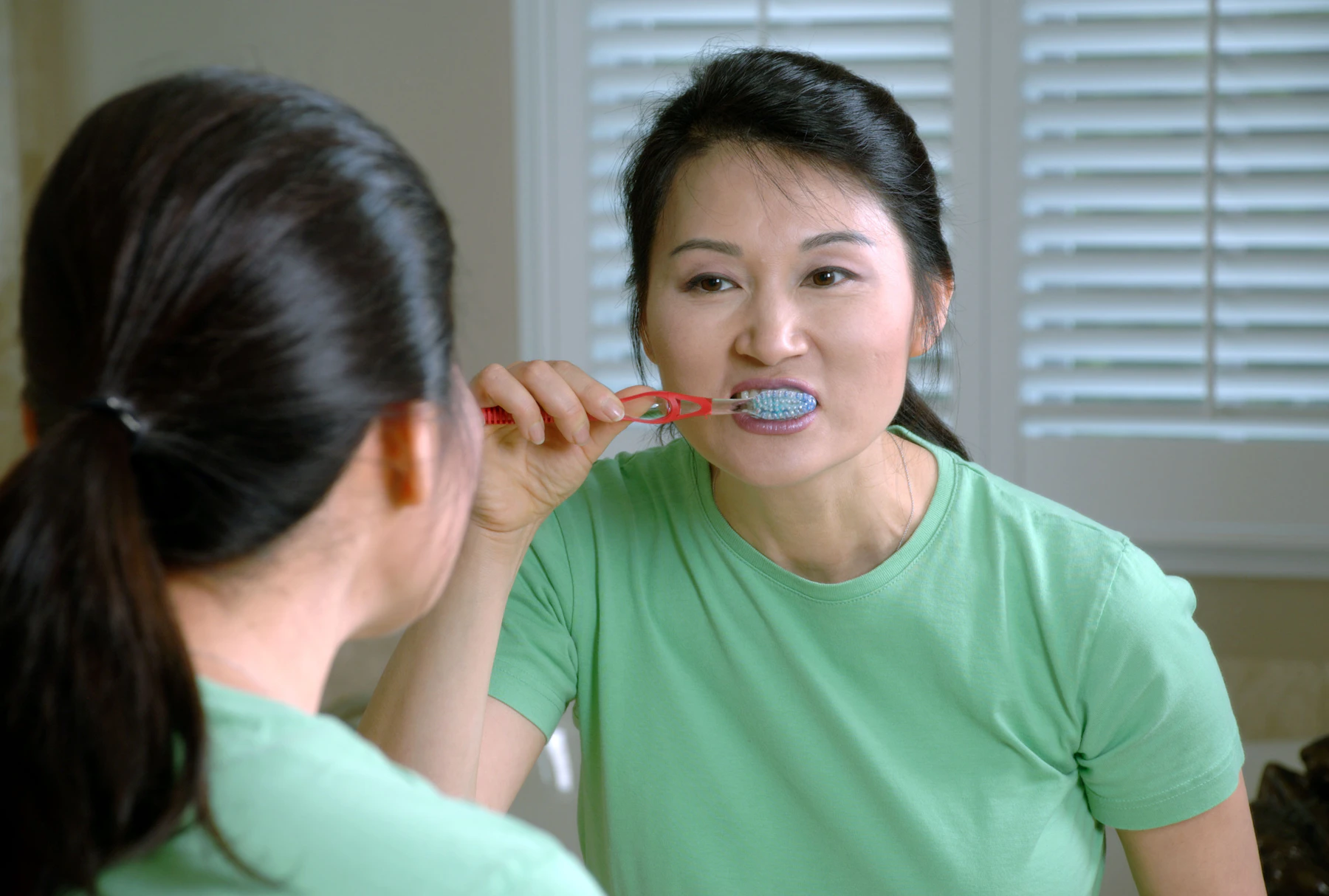
Persistent Bad Breath: When Is a Dental Check Useful?
Persistent bad breath can have dental and other causes. Learn what to check in your routine and when to discuss it with Dr Cos Dentistry in Paphos.
Read the article
Dry Mouth: Why It Matters for Your Teeth and Gums
Explore causes of dry mouth, ways to ease discomfort and why ongoing dryness deserves dental and medical advice. A practical guide for patients in Paphos.
Read the article