
Dental insights / Cosmetic dentistry
Clear Aligners or Veneers: Moving Teeth or Changing Their Appearance?
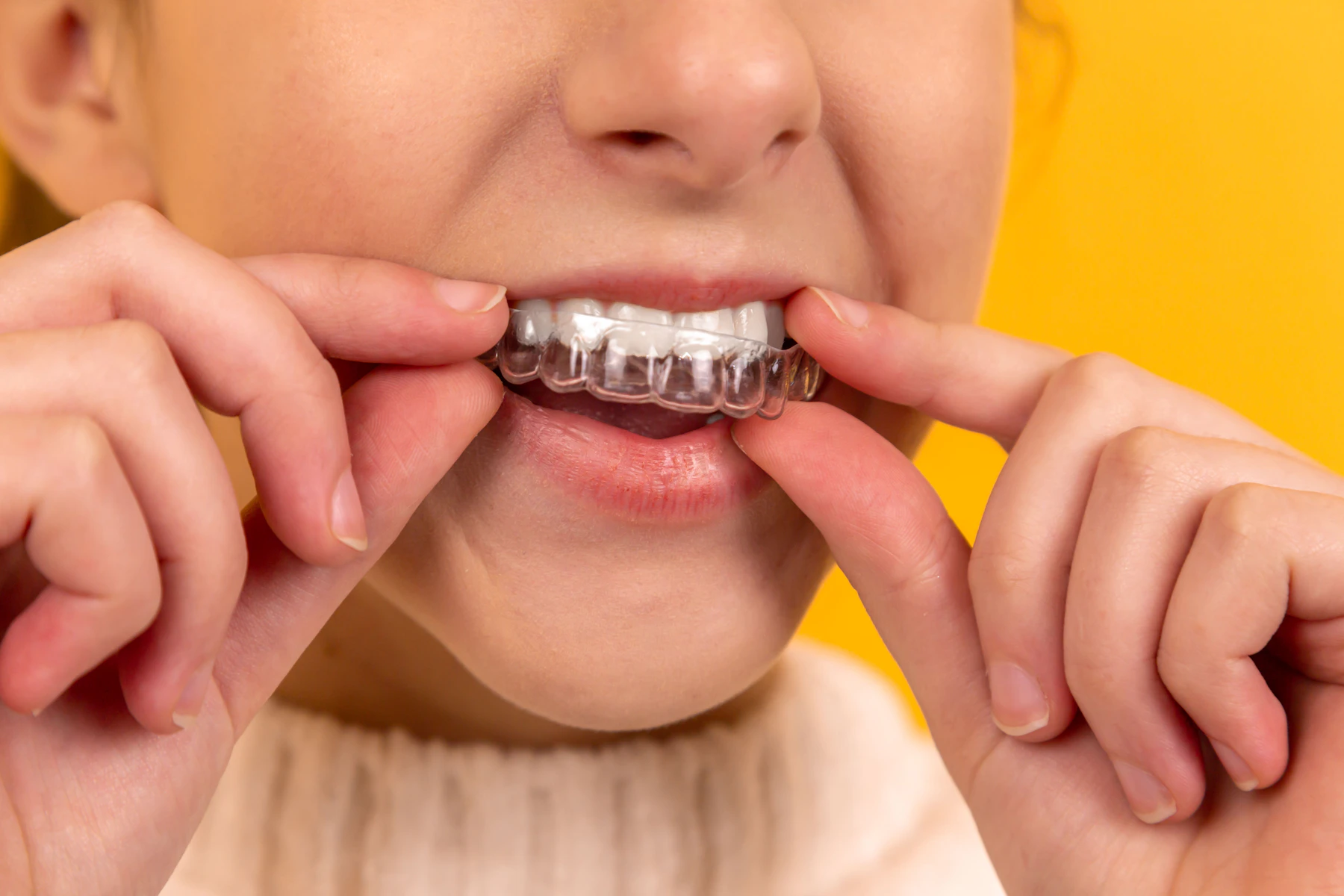
Compare clear aligners and veneers: tooth position, appearance, preparation and long-term care. Questions for a smile consultation in Paphos.
Clear aligners move teeth; veneers cover the front surface of selected teeth to change their appearance. They address different problems and involve different commitments. If you are considering changing your smile in Paphos, begin with what concerns you rather than deciding on one treatment before assessment.
What can clear aligners change?
Aligners are removable appliances used in a planned sequence to move teeth. They can be appropriate for selected alignment problems after assessment. The British Orthodontic Society's aligner guide explains that more complex problems may need additional techniques or another approach.
Wearing the appliances as instructed and attending reviews are part of treatment. Retainers are needed afterwards to help maintain the new positions. Ask how that commitment fits your routine before comparing options by appearance alone.
What can veneers change?
A veneer is a covering attached to the front of a tooth. The Oral Health Foundation's veneer guide describes their use for selected concerns about colour, shape or appearance. Suitability depends on the tooth and the intended change.
Veneer treatment may involve removing tooth tissue and creates a restoration that needs ongoing care. Ask exactly what preparation is proposed for each tooth. Photographs and marketing terms cannot establish that preparation will be unnecessary in your case.
Why are they not direct substitutes?
A covering can alter how a tooth looks without moving its root or correcting the same bite issue as orthodontic treatment. The British Orthodontic Society's adult treatment guidance highlights the importance of understanding alternatives and the long-term implications of tooth preparation.
For some patients, one approach is appropriate; for others, a different treatment or a sequence may be discussed. A consultation should also allow room to consider leaving healthy teeth unchanged.
What should you compare at a consultation?
- The concern: is it tooth position, colour, shape, damage or a combination?
- The examination: are the gums, teeth and existing restorations ready for a proposed plan?
- Tooth preparation: what changes to natural tooth structure would be involved?
- Daily commitments: what appliance wear, cleaning, reviews or retention are required?
- Long-term care: what maintenance, repairs or replacements may need consideration?
- Alternatives and cost: what options are suitable, and what does the written estimate include?
These questions are more useful than assuming that the shortest advertised timeline or the whitest example photograph is the right outcome for your mouth. Ask how the proposal addresses your own priorities and what it cannot change.
How can smile planning help the conversation?
The practice's Digital Smile Design guide introduces planning and communication. A visual plan can support discussion, but it is not a promise of a particular result or a substitute for examining health and function.
Read the separate guides to clear aligners, crowns and veneers and retainers after aligners for more detail. The broader smile planning article considers how different concerns may be prioritised.
Talk through the options with Dr Cos in Paphos
Bring your questions and explain what you would like to change, in English or Greek. Contact the practice to request a consultation. The appropriate option, if any, depends on individual assessment; this guide does not recommend either treatment for a particular reader.
Keep exploring
More from the practice.
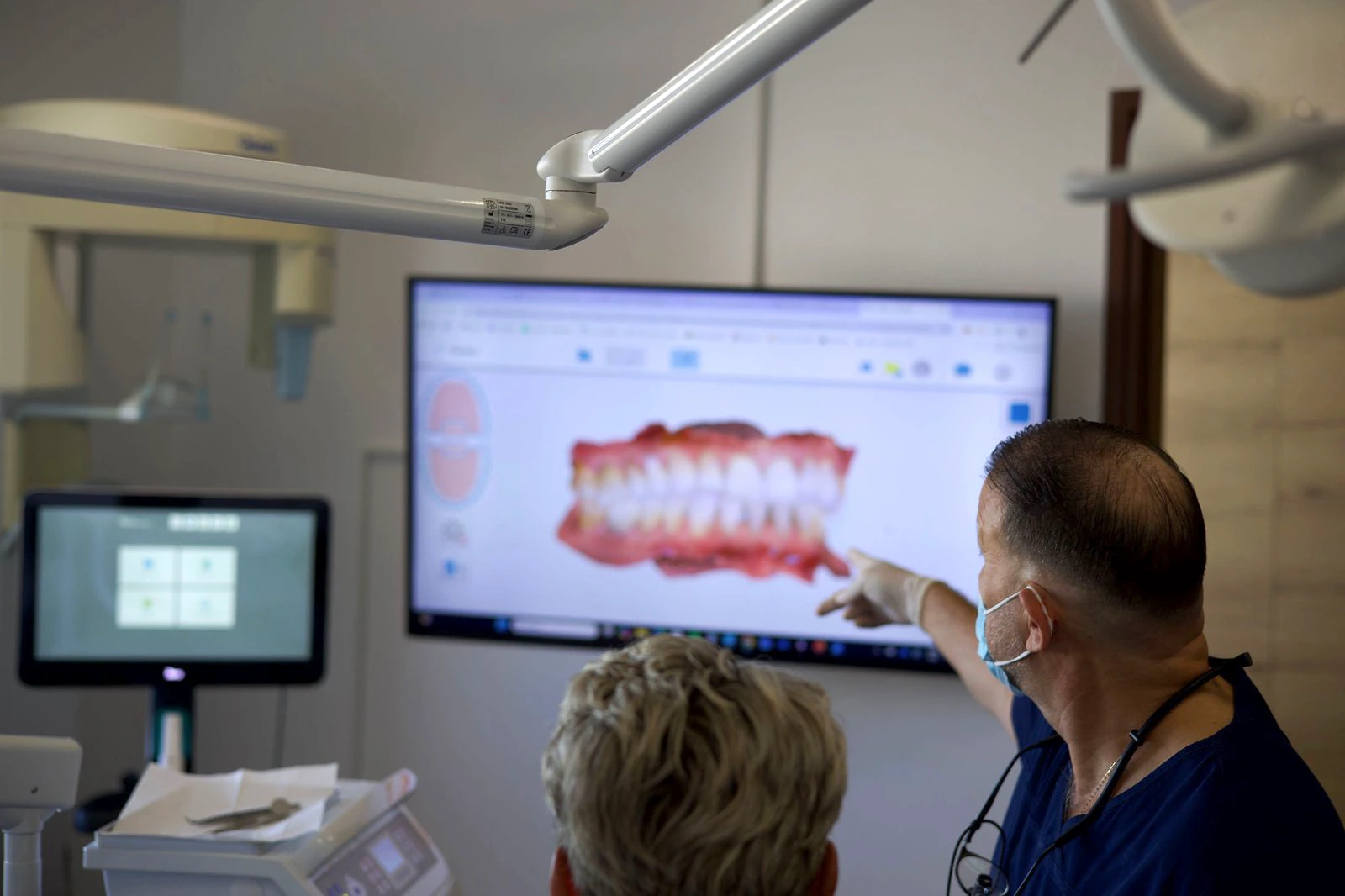
Planning Changes to Your Smile: Position, Colour and Restorations
Explore the questions behind a smile makeover in Paphos. Discuss oral health, tooth position, colour and restorations with Dr Cos before choosing treatment.
Read the article
Crowns or Veneers? Understanding the Different Purposes
Crowns and veneers serve different purposes. Compare coverage, tooth preparation and maintenance before discussing your options with Dr Cos in Paphos.
Read the article
Veneers in Paphos: Options, Preparation & Care
A practical guide to porcelain and composite veneers, tooth preparation, alternatives and long-term care.
Read the article