

Dental insights / Oral health
Sensitive Teeth: Causes, Triggers and When to See a Dentist
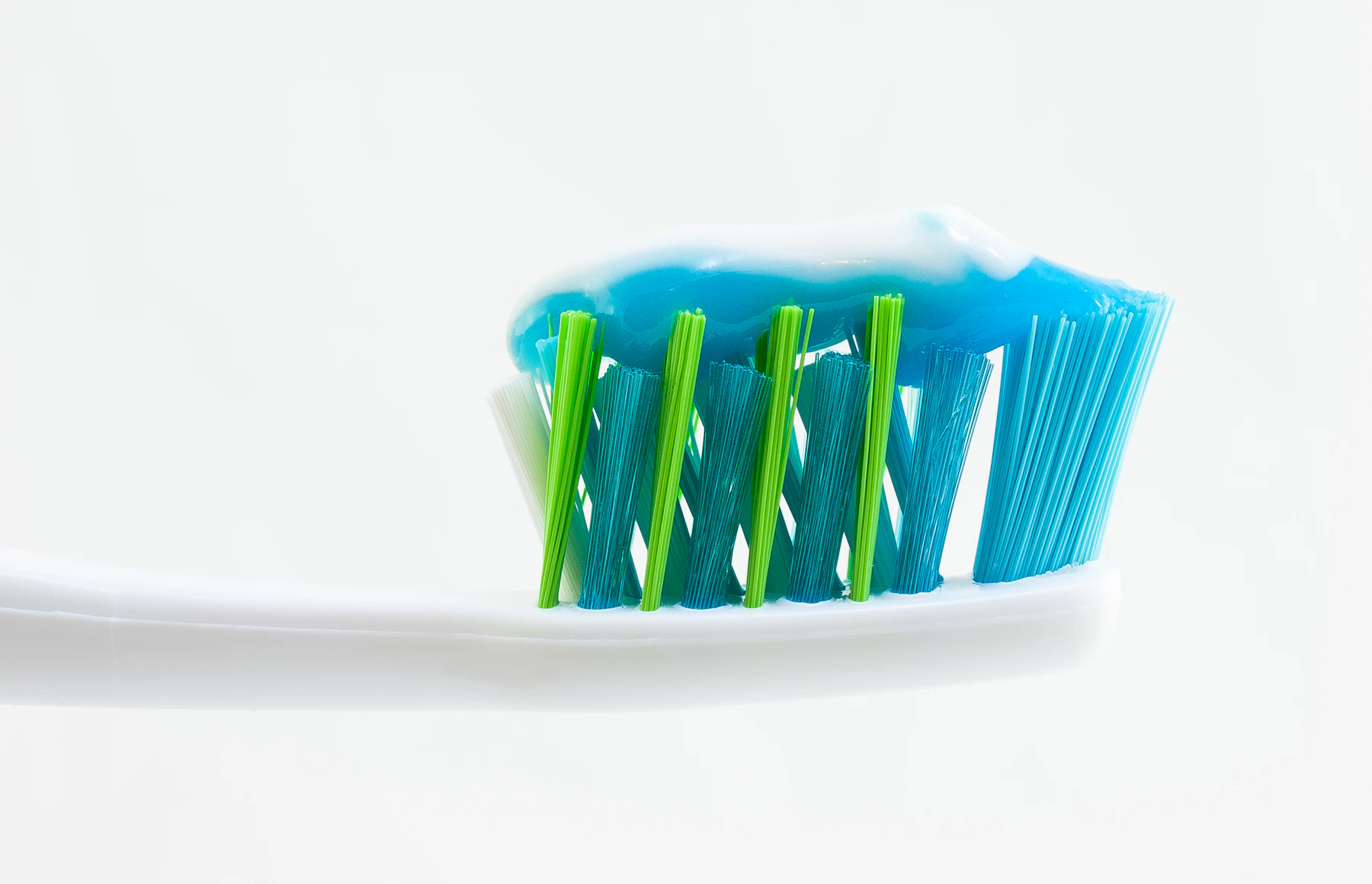
Understand common causes of sensitive teeth, what to note about the pain, and when to arrange a dental assessment with Dr Cos in Paphos.
A sharp twinge with a cold drink can have several explanations. Exposed dentine, gum recession, tooth decay, a crack or an old restoration may be involved. Sensitivity is a symptom to discuss with a dentist, especially when it is new, keeps returning or affects one particular tooth.
Why do teeth become sensitive?
Enamel covers the visible part of a healthy tooth. Beneath it lies dentine, which contains tiny channels. When that layer loses its protective covering, temperature and other triggers can produce discomfort. Roots exposed by receding gums can also become sensitive.
The American Dental Association's explanation of sensitive teeth lists several possible causes, including cavities, fractured teeth, worn fillings, gum disease and worn enamel. Similar symptoms can therefore call for different treatment.
What should you notice before an appointment?
A description of the pattern is more useful than repeatedly testing a painful tooth. Make a brief note of:
- Whether one tooth or several teeth seem affected.
- What brings it on: cold, heat, sweetness, brushing or biting.
- Whether it settles quickly or continues after the trigger has gone.
- When it began and whether there has been recent dental treatment or whitening.
- Any visible chip, loose restoration or change around the gum.
Bring those observations to the consultation. You do not need to identify the cause yourself or choose a treatment from a list before being examined.
What can help with everyday care?
The Oral Health Foundation recommends gentle brushing and advice about suitable products. A sensitivity toothpaste may help some people, but improvement may take repeated use. Follow the instructions and ask a dentist if symptoms persist.
Avoid scrubbing harder in an attempt to clean the painful area. Acidic food and drink and some whitening procedures can be relevant to sensitivity, so mention your habits and any products you use. Covering up symptoms indefinitely can delay finding a problem that needs a different response.
How is treatment chosen?
Treatment follows the cause. Options discussed after assessment may range from changes to home care and desensitising products to treatment of a damaged tooth or restoration. Needing help with sensitivity does not automatically mean you need root canal treatment, a crown or cosmetic work.
If a restoration is involved, the guides to white fillings and repairing or replacing an old filling explain useful questions to ask. For preventive care, see dental cleaning in Paphos.
Questions patients often ask
Can sensitivity toothpaste replace an examination?
It may be useful for some types of sensitivity, but it cannot establish whether there is decay, a crack or another cause. Ask for advice about a new or persistent problem.
Should I whiten sensitive teeth?
Discuss the sensitivity before starting or continuing whitening. Explain which product you use and what you feel, so the advice takes account of your teeth rather than a generic schedule.
Discuss sensitivity with Dr Cos in Paphos
You can describe the symptoms in English or Greek. Contact the practice with the timing, location and triggers of the discomfort. This article provides general information; an examination is needed for individual advice.
Keep exploring
More from the practice.
Teeth Grinding and Clenching: Signs Worth Discussing
Worn teeth, morning jaw discomfort or clenching? Learn about bruxism, what to notice and the questions to discuss with a dentist in Paphos.
Read the article
Interdental Brushes or Floss: Which Should You Use?
Compare interdental brushes and dental floss, learn why size and technique matter, and find questions to ask at your dental visit in Paphos.
Read the article
Persistent Bad Breath: When Is a Dental Check Useful?
Persistent bad breath can have dental and other causes. Learn what to check in your routine and when to discuss it with Dr Cos Dentistry in Paphos.
Read the article